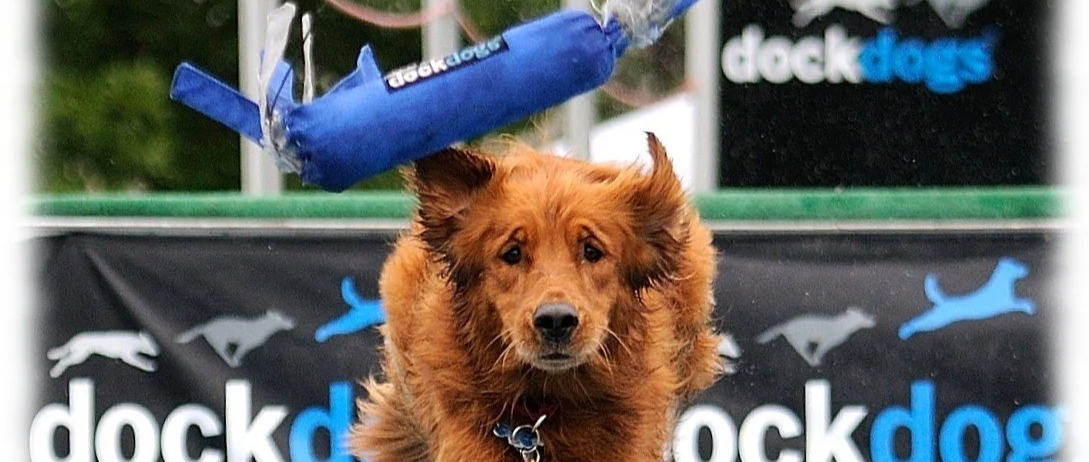
Physical & Mental Exercise: Training the Complete, Total Athlete
“Mastering the balance of play, development, and structural safety”
Exercise is essential for your puppy’s physical and mental health. However, for a growing Golden Retriever, more is not always better. Because their bones and joints are still developing, we must distinguish between "free play" and "forced exercise."
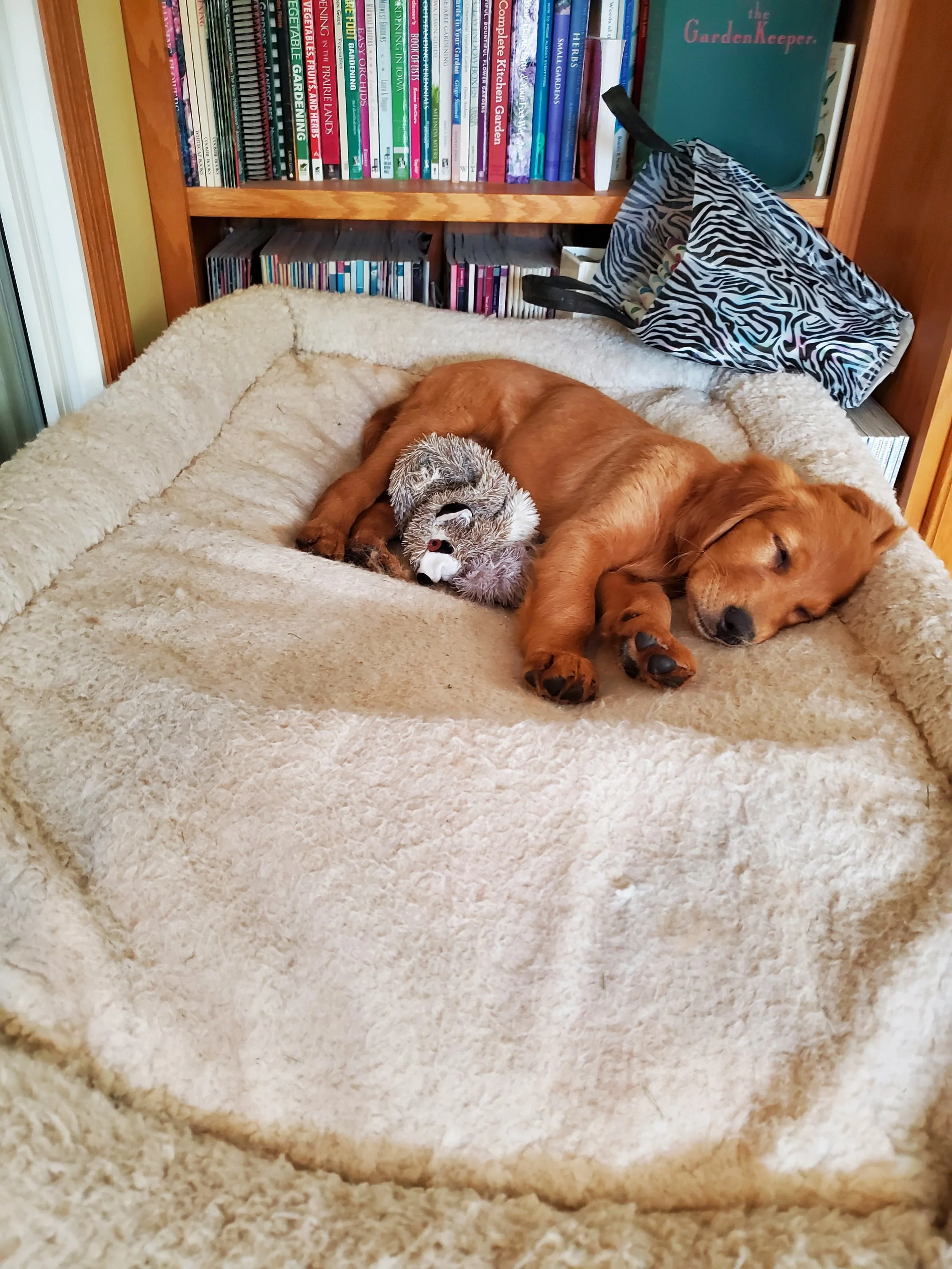
The "Rule of Five": Physical Exercise for Puppies
To protect your puppy’s developing joints, we follow a simple rule of thumb for structured, on-leash walks:
The 5-Minute Rule: 5 minutes of exercise per month of age, once or twice a day.
The Surface Matters: The best surfaces for a growing puppy are "soft" and "variable"—think grass, packed sand, or forest trails. These provide traction and impact absorption. Limit walks on hard surfaces (concrete and blacktop) as much as possible during the first year, as these surfaces provide zero "give" and put repetitive stress on the soft growth plates.
Mental vs. Physical Stimulation
A bored Golden is a destructive Golden, but you don't always need a five-mile hike to tire them out.
Physical Exercise: Activities like walking, swimming, and playing fetch. This builds muscle, stamina, and heart health.
Mental Exercise: Engaging the brain through problem-solving puzzles, scent work, and daily obedience training. Mental stimulation is often more tiring for a puppy than physical movement. Challenging their mind reduces boredom-related behaviors and helps with anxiety management.
| Age | Walk Duration (1–2x Daily) |
|---|---|
| 2 Months | 10 Minutes |
| 4 Months | 20 Minutes |
| 6 Months | 30 Minutes |
When Can My Puppy Join Me for Runs or Hikes?
This is the most common question we get. While your puppy may want to keep up with you on a jog, their body isn't ready.
Leashed Running/Jogging: Do not start a running or jogging program with your dog until they are at least 18 to 24 months old. For a large breed like ours, the growth plates need this time to fully harden and fuse.
Hard Surfaces: Constantly running on sidewalks or pavement before maturity can lead to permanent musculoskeletal malformations and early-onset arthritis.
The Rest Hour: As mentioned in our Nutrition guide, never engage in vigorous exercise for at least one hour before or after a meal to prevent the risk of Bloat (GDV).
Understanding "Free Play"
The rules above apply to structured exercise (like walking on a leash where you set the pace). Free play—where the puppy is off-leash in a yard and can stop, sniff, or lie down whenever they want—is much safer. This allows them to regulate their own activity level. If your puppy flops down and refuses to move, listen to them! They are telling you their "battery" is empty.
The PGF Recommendation
Focus the first year on swimming (the best low-impact exercise for joints), short walks on grass, and heavy doses of mental training. By the time they hit their 24-month birthday, they will have the solid structural foundation needed to be your hiking or running partner for years to come.