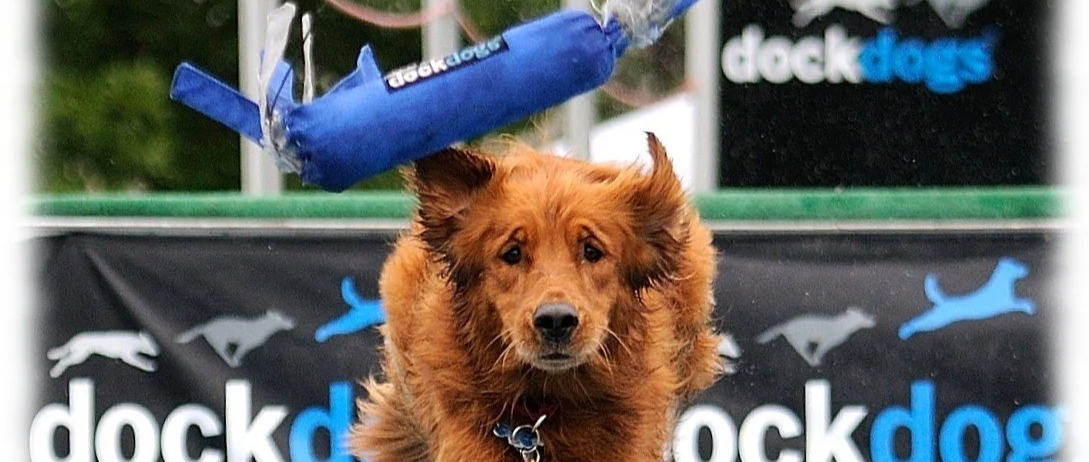
Puppy Biting & The "Land Shark" Phase
“The PGF Guide to Taming Your Tiny Land Shark”
Are you concerned that your puppy is acting "aggressive"? Are you losing shoes, baseboards, or even your own skin to your puppy’s constant nipping? The good news is that this behavior is rarely true aggression—it’s actually a combination of biology, play, and teething.
At Pine Grove Farm, we want to help you navigate this phase so your puppy grows into a gentle, soft-mouthed adult.
The PGF Strategy: How to Curb the Biting
1. Supervision & The "Crate" Safety Net
If you aren't watching your puppy, they will get into trouble. Supervision is mandatory for the first few weeks. If you can’t have your eyes on them, utilize their crate. It is impossible to correct a behavior if you aren't there to physically see it happen.
2. The Power of "No" and Redirection
When your puppy mouths you or an object they shouldn't have:
The Stern No: Give a loud, stern "NO." It needs to be sharp enough to startle them and capture their attention. You want them to realize that their current action has immediate consequences.
The Trade: Immediately after the "No," offer an appropriate toy or chew.
Make it Interesting: If they don't redirect, you aren't making the toy interesting enough! Use an excited tone, make clicking noises, or drag the toy on the ground to trigger their desire to chase the toy instead of your hands.
Why Is My Puppy So Mouthy?
Understanding why they do it is the first step in teaching them to stop:
The "Fifth Hand": Puppies are genetically programmed to explore the world through their mouths. To them, your arm is just another interesting branch to investigate.
Natural Play: In the litter, puppies wrestle and chew on each other. If we don’t teach them otherwise, they will try to play with humans in that same rough-and-tumble way.
The Retriever Instinct: Golden Retrievers are literally bred to carry things. That "mouthiness" is in their DNA; they just need to learn what is appropriate to carry.
Teething Discomfort: From 8 weeks to 7 months, your puppy is losing baby teeth and growing adult ones. This is physically uncomfortable, and chewing provides them with much-needed relief.
3. Manage the Energy (Play vs. Nap)
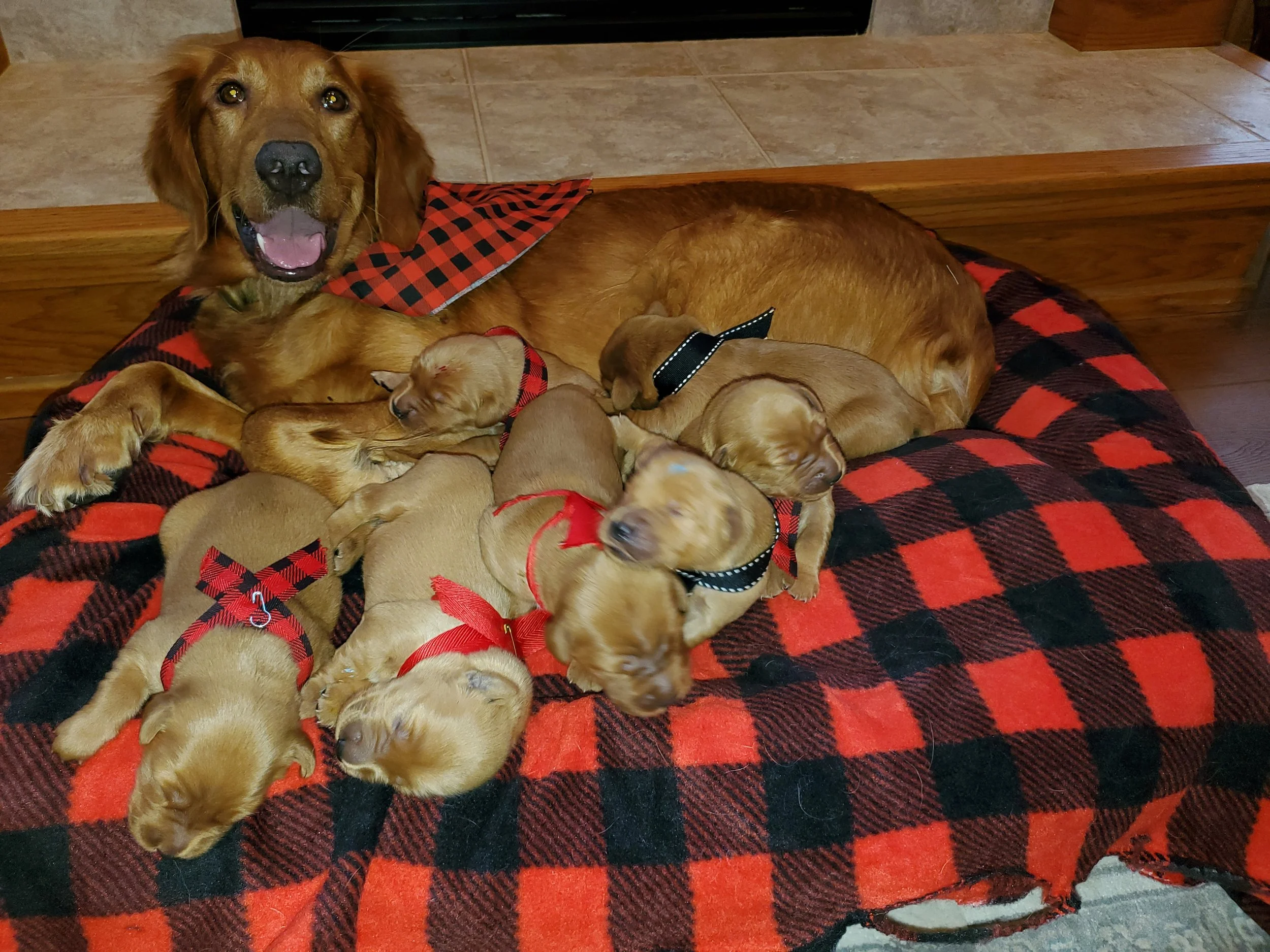
A tired puppy is a grumpy puppy. Much like a toddler, an overstimulated puppy will often become more "bitey" and "manic" when they actually need a nap. Ensure your puppy is getting plenty of mental stimulation (obedience training) and physical play, but also enforce quiet downtime in their crate so they can settle.
4. Play "Away" From Your Body
We love our puppies, but we never recommend "wrestling" with them using your hands. This teaches them that your body is a toy.
Contact-Free Play: Use toys, ropes, and balls to interact.
Fetch: Teaching your puppy to fetch is the ultimate win-win—it satisfies their retriever drive and keeps your hands out of the "crossfire."
No Squealing: If your puppy nips, avoid high-pitched squealing or running away (especially with children). This mimics the sound of "prey" and will actually make the puppy more excited to chase and bite.
5. Consistency is Non-Negotiable
You cannot allow the puppy to chew your slippers one day and then get mad the next. Everyone in the household—especially children—must follow the same rules. If the behavior is unwanted, it must be corrected and redirected every single time.
A Note on Aggression
While true aggression is rare in Golden Retrievers, it can happen, usually rooted in fear or insecurity. If your puppy’s behavior includes intense lunging, deep snarls, or biting that breaks the skin outside of play, please contact a professional behaviorist or trainer immediately. We are also always here to talk through any concerns you have about your puppy's temperament.