Socialization: Building a Confident Companion
“Beyond the Backyard: Performance-Based Socialization for a Lifetime of Adventure.”
Socialization is the single most important thing you can do to ensure your dog grows into a happy, well-adjusted adult. At Pine Grove Farm, we prioritize Purposeful Exposure and Emotional Regulation during the critical 3-to-8-week window.
Why We Don’t Recommend Dog Parks
While socialization is vital, we do not recommend dog parks. Our experience has shown that public dog parks are often unpredictable and can lead to traumatic experiences or illness. Instead, we believe in Performance-Based Socialization.
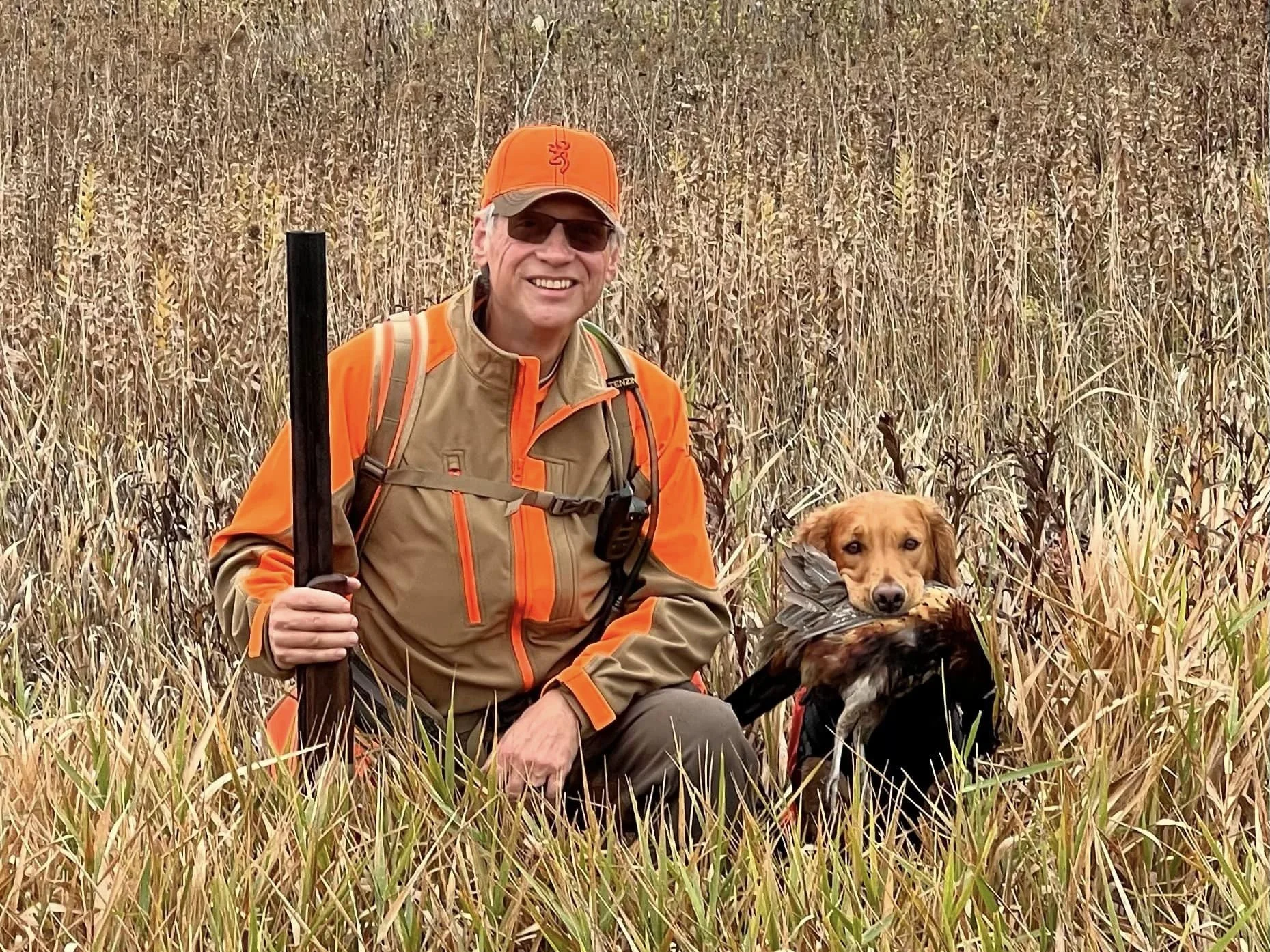
Our dogs interact with other canines in high-standard, controlled environments such as:
Hunt Tests & Field Work
Dock Diving
Fast CAT & CAT (Curation Ability Tests)
Obedience & Performance Events
The PGF Head Start: Advanced Bio-Hacking
We utilize a sophisticated, high-engagement approach to build a superior neurological foundation before your puppy ever leaves our farm:
ENS & ESI (Early Neurological & Scent Introduction): Starting at day 3, we perform daily handling (ENS) and Early Scent Introduction (ESI) to stimulate the brain—critical for future field and tracking work.
The PGF "Soundscape" Protocol: We utilize overhead speakers to play a specialized library of sounds. We start at a low volume and gradually increase it as the litter matures. They hear everything from babies crying and thunder to sirens, vacuum cleaners, and heavy traffic. * Music & Emotional Regulation: We play a wide variety of music for our litters, ranging from Rock to Classical. We have found that our litters consistently exhibit calming behaviors when classical music is played. This early exposure helps puppies learn how to settle their minds and bodies in response to environmental cues.
Environmental Confidence: We introduce obstacle courses, moving platforms, puppy-safe steps, slides, and tunnels. By navigating these, puppies develop "problem-solving" skills and physical coordination.
Predictable Car Introduction: Long before their first trip to the vet, we introduce the puppies to vehicles in a slow, positive way. This prevents the common car-anxiety that develops when a puppy’s only experience with a vehicle is a high-stress medical appointment.
Water & Human Diversity: Weather permitting, we introduce puppies to shallow pools. They also meet a wide range of humans—from the unpredictable movements of babies and toddlers to various older adults.
Your Mission: The First 12 Weeks
The "Socialization Window" begins to close around 12 to 16 weeks. Once you bring your puppy home, your job is to keep the momentum going.
1. The Scavenger Hunt
Think of your first month home as a scavenger hunt. Try to expose your puppy to:
Novel People: Men with beards, people in hats/sunglasses, and people using wheelchairs or umbrellas.
Variable Surfaces: Gratings, metal, mulch, sand, and wet grass.
Sounds: Garbage trucks, lawnmowers, and doorbells.
2. Make it Positive (The "Treat" Rule)
Carry High-Value Treats: When your puppy sees something new, give them a treat immediately.
Remain Calm: Dogs read your energy. If you act like the world is a fun place, they will believe you!
3. Quality Over Quantity
Do not overwhelm your puppy. Start small: master the yard, then quiet walks, then visiting "clean" stores (like a hardware store on a mat) before progressing to more busy environments.
The Next Level: AKC Titles
We highly encourage our puppy families to pursue titles that celebrate socialization:
AKC S.T.A.R. Puppy: Focuses on basic manners for puppies under one year.
Canine Good Citizen (CGC): The "Gold Standard" for a well-behaved dog.